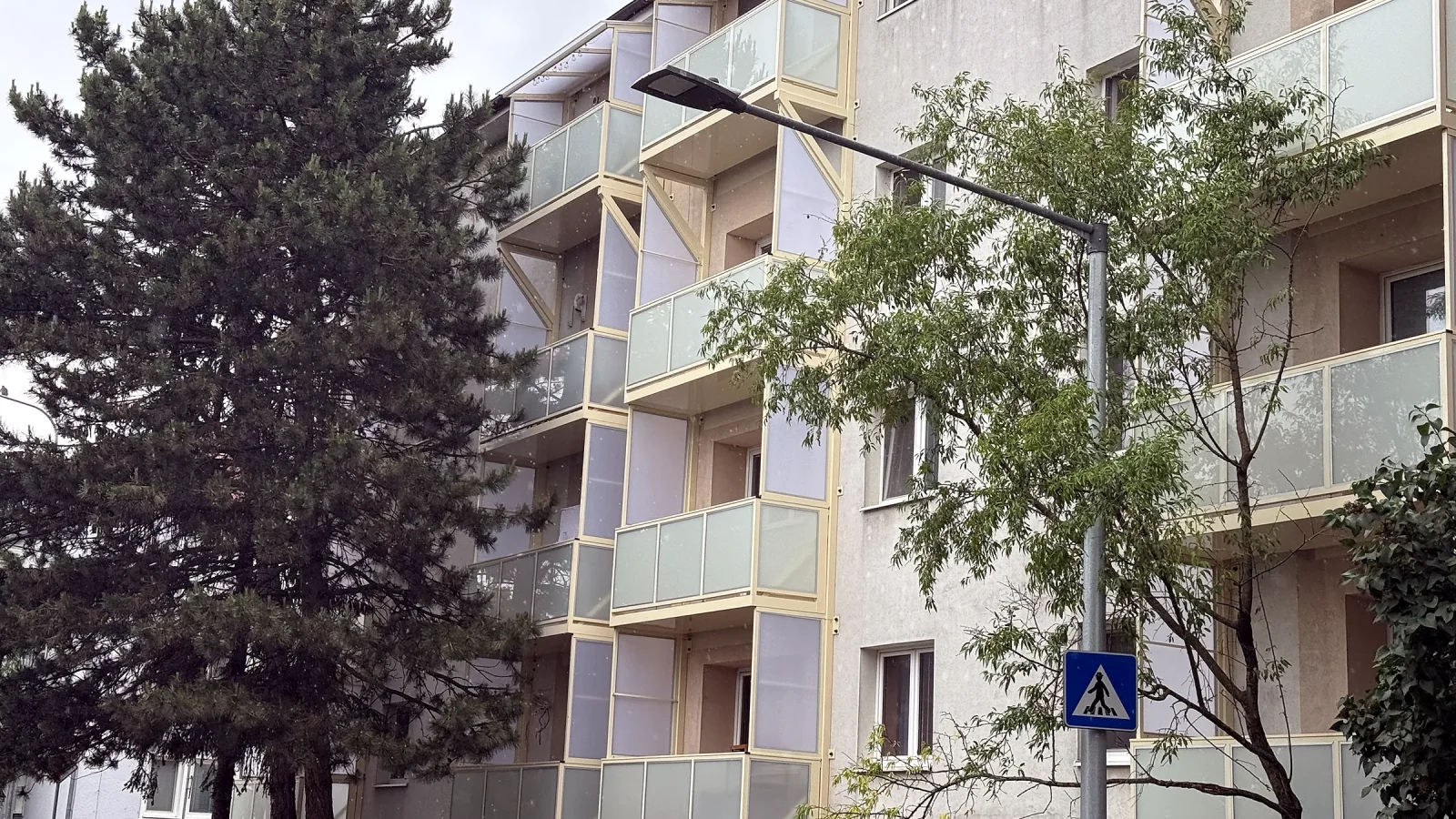
Maintenance of an aluminium balcony: how to extend its life
One of the main reasons why apartment owners and owner associations choose aluminium suspended balconies is their minimal maintenance. aluminium does not rust, does not need regular coating and retains its shape and color for decades. However, "virtually maintenance-free" does not mean "completely maintenance-free". Even an aluminium balcony deserves a few simple actions a year - and you will be rewarded by looking like new even after twenty years. In this article, you will find practical instructions on how to care for an aluminium balcony, what to check, what to avoid and when to call an expert.
>>
Why is aluminium so easy to maintain
aluminium has one property that steel does not: it immediately forms a thin oxide layer in the air, which naturally protects the metal from further corrosion. While the steel railing needs to be sanded and painted every few years, the aluminium profile renews its protection by itself. We wrote a detailed comparison of both materials in the article aluminium vs. steel railing.
In addition, we protect our structures with powder paint - komaxit. The fired surface in the RAL shade of your choice is resistant to UV radiation, weather and mechanical wear and does not require any repainting. You can read more about the technology on the page komaxit surface treatment.
The result? In practice, the maintenance of an aluminium balcony is limited to occasional washing and one or two visual inspections per year. No sanding, no painting, no rust removal.
What does aluminium balcony maintenance include
Caring for an aluminium suspended balcony can be summarized in four areas: cleaning profiles and railings, care for infills, checking water drainage and the floor, and finally visual inspection of anchoring and connections. None of them will take more than half an hour, and you can handle most of them with common home remedies.
Cleaning of aluminium profiles and railings
The basis is ordinary lukewarm water with detergent - dish detergent is enough - and a soft cloth or sponge. Wash the profiles, rinse them with clean water and let them dry or rub them dry. In a normal urban environment, washing twice a year is sufficient, ideally in spring (after winter) and autumn.
What to watch out for:
- Do not use abrasives – wire brushes, scouring powders or hard brushes can scratch the komaxite surface.
- Avoid aggressive chemistry - strong acids, alkalis, thinners and solvents can damage the powder paint. Ordinary detergent is completely sufficient.
- Use the pressure washer sensibly – from a greater distance and with lower pressure it won't do any harm, but a stream of water aimed close at the seals and joints can force water there.
If more resistant dirt appears on the surface - for example bird droppings or grease - remove it as soon as possible so that it does not remain on the surface for a long time. It is enough to soak, let it soak and wipe.
Care of the railing filling
You choose the railing filling already when you order the balcony - we wrote about it in detail in the guide how to choose a suspended balcony. Each material has slightly different requirements:
- Glass - wash with normal window cleaner; there is a practical spatula for larger areas. Check whether the silicone or rubber mounts of the glass are intact.
- HPL and ALUPANEL boards – just water with detergent; the surface is compact and non-absorbent, so it is very easy to clean.
- Polycarbonate - never clean with solvents or a dry cloth (fine dust particles would scratch the surface). First rinse with water, then wash with soap.
Floor and drainage
Check that the water drains freely from the balcony and that it is not stuck anywhere. Regularly remove leaves, moss and dust deposits from drain grooves and gaps in the floor - especially in autumn. Standing water does not harm aluminium as much as it does steel, but long-term pollution puts unnecessary strain on seals and joints and can freeze in winter.
Inspection of anchoring, joints and fittings
Take ten minutes once a year for a visual inspection:
- Anchoring to the facade – notice whether there are cracks in the plaster or traces of moisture around the anchoring points.
- Screw joints - check that the visible joints are tight and that there are no missing caps.
- Seals – rubber and silicone elements naturally age over time; if some have hardened or cracked, they can be easily replaced.
- Rails - try to see if there is a gap anywhere; the railing must be solid along its entire length.
The supporting structure and anchoring of our balconies is designed by a structural engineer and we assemble them using a certified procedure, which is described on the page mounting suspended balconies. In addition, we provide a 10-year guarantee for the construction and anchorage - visual inspection is therefore not about mistrust of the construction, but about the early detection of external influences, for example, facade failures or leaks from higher floors.
Seasonal tips: spring, summer, autumn, winter
Spring is the ideal time for a thorough washing of the entire balcony after winter and for an annual visual inspection of joints and seals. In the summer, the balcony does not need much apart from regular dusting - just be careful with barbecues and flower pots: a permanently moist substrate resting directly on the profile makes the surface unnecessarily dirty. In the fall clear the drains of leaves so that the water from the autumn rains drains away freely. In winter, continuously shovel snow from the balcony with a plastic (not metal) shovel and do not use road salt or chemical deicers on the ice - chlorides are one of the few things that can damage aluminium and stainless steel elements with long-term exposure. It is enough to carefully remove the ice mechanically or use sand.
What to avoid during maintenance
Few things can damage an aluminium balcony more than neglected washing:
- Drilling into support profiles - if you want to attach a drying rack, flower pots or shading to the balcony, use the handles without drilling or consult us. Unprofessional intervention in the structure can affect the structural engineering and the warranty.
- Sprinkling salt and chloride chemistry - as we mentioned, preferably mechanically in winter.
- Aggressive cleaners and abrasives – damaged komaxit, unlike ordinary dirt, cannot be "washed off".
- Overloading - each balcony has a designed load capacity. Do not store long-term heavy loads on it for which it was not designed.
When to call an expert
You can handle most of the maintenance yourself. We recommend professional help if you notice a crack around the anchorage, a loose joint that cannot be tightened normally, a damaged railing filling or a mechanically damaged profile surface. For apartment buildings, we can also provide a periodic service inspection of all balconies at the same time – a practical solution for property managers and owner associations who want to have a written record of the condition of the structures.
You can see what a well-executed project looks like in practice in our references - many of the structures have been in service for years without a single repair.
Summary
Maintenance of an aluminium balcony is a matter of a few hours a year: wash it twice with soapy water, clean the drains in the fall, do not use salt in the winter, and once a year inspect the anchoring, joints and seals. This unpretentiousness, in addition to the low weight, is the main reason why we exclusively use aluminium for suspended balconies - you can find all the arguments on the page suspended balconies.
Are you planning a new balcony, or does the current one need a professional inspection? Contact HS ALUSYSTEM - we will arrange a no-obligation inspection and prepare a customized quote. We will get back to you within 24 hours.
Frequently asked questions
How often should an aluminium balcony be washed?
In a normal urban environment, twice a year – in spring and autumn – with lukewarm water with detergent and a soft cloth is sufficient. In a dustier environment or on a busy road, it may be advisable to wash more often, but this is about aesthetics, not about protecting the structure.
Does the aluminium balcony need to be painted?
No. The aluminium does not rust and the komaxite surface treatment is colorfast and resistant to UV radiation and weather. Unlike steel structures, it does not need any repainting throughout its lifetime.
Can the aluminium balcony be damaged by cold and snow?
Frost and snow alone will not harm the structure. However, avoid road salt and chloride de-icers - long-term exposure to chlorides also damages aluminium and stainless steel joints. Shovel the snow with a plastic shovel and remove the ice mechanically or with sand.
How do I recognize that the anchoring of the balcony needs expert inspection?
Warning signals are cracks in the plaster around the anchoring points, traces of moisture during anchoring, a visibly loose joint or play in the railing. In this case, contact a specialist company - with our constructions, anchorage inspection is part of the warranty service.
What is the lifespan of an aluminium suspended balcony?
With basic care, the aluminium construction lasts for decades without degradation - aluminium does not corrode and komaxit retains its color and mechanical resistance. We provide a 10-year warranty for the supporting structure and anchorage, but the real life of the structure is considerably longer.