Aluminium balconies: what determines the service life of the whole assembly
Aluminium balconies are often chosen for apartment building renovations with the expectation of long service and manageable upkeep. Yet the material name alone does not tell you how long a particular balcony will remain safe and functional. The supporting structure, connections to the building, joints, finish, floor and use all matter. For building managers and owners, asking about verifiable conditions for durability is more useful than asking for one universal number.
This guide helps you assess a proposal before ordering and plan the long-term care of the assembly. It considers the complete balcony; regular washing is just one part. The aluminium suspended balconies for apartment buildings page explains the overall service.
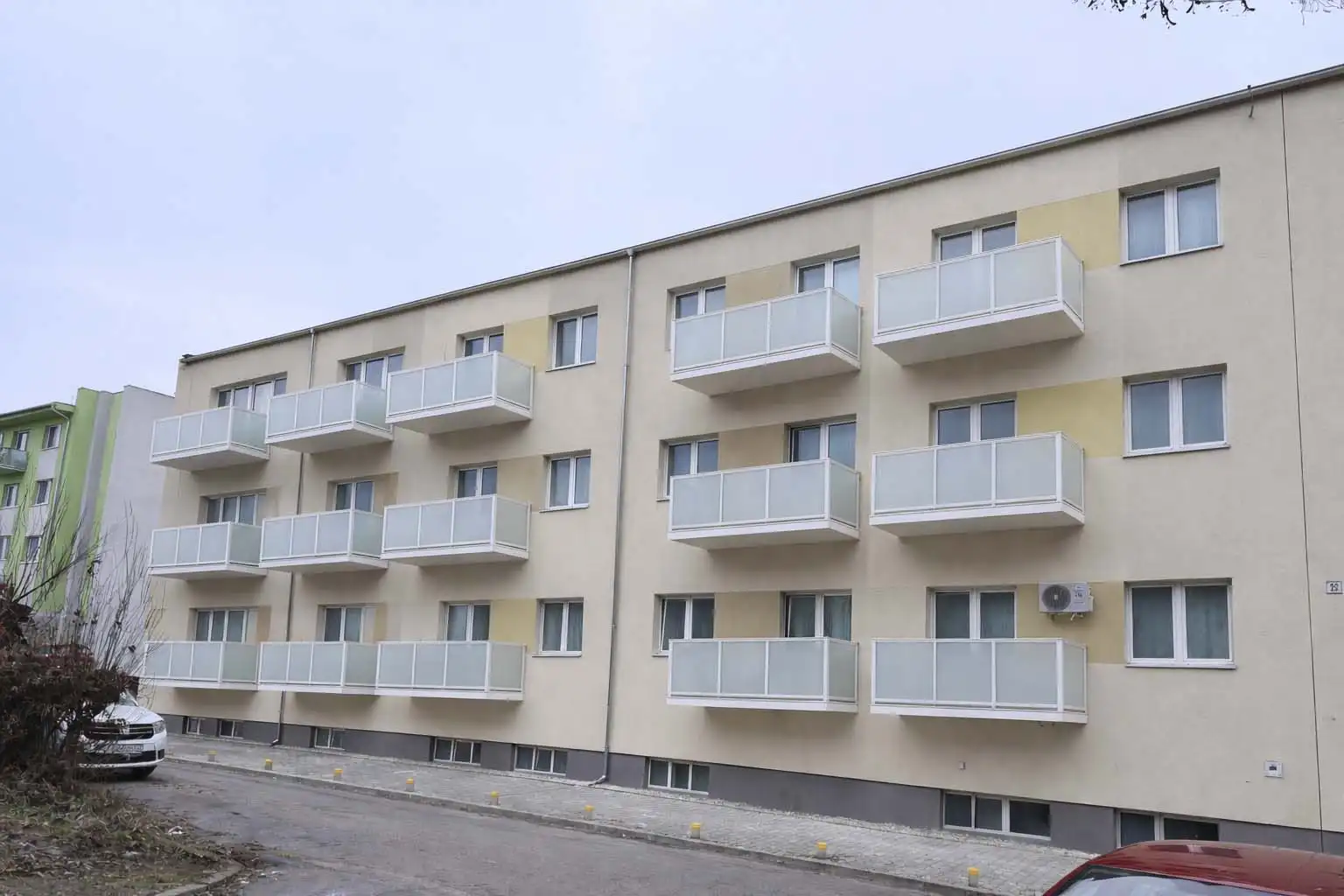
Aluminium balcony service life is not a single figure
Separate the structure from replaceable components
Load-bearing profiles, anchors, railings, infill, floor finishes and seals may need different inspection and replacement schedules. Replacing a worn seal does not automatically mean the whole balcony has reached the end of its service life. Equally, attractive paintwork does not prove that concealed anchors are in good condition. Ask the supplier to identify the main components and explain how each is inspected.
Distinguish design assumptions from the warranty
The service life assumed in the design depends on specified use and maintenance. A warranty has its own scope and conditions in the contract and warranty documents. Neither can simply be converted into the other. Without documentation for the specific assembly, it would be misleading to promise every building the same number of years or completely maintenance-free operation.
What should be decided before manufacture
Specify the material more precisely than just aluminium
Ask for the proposed profiles, alloy and associated fasteners to be identified in the technical documentation. The manager does not have to select the alloy personally; they need to know that a responsible designer selected it and that the manufacturer can document the material used. Profiles that look similar are not necessarily interchangeable. A proposed change in size or material needs assessment before a replacement is manufactured.
The assembly must suit the particular building
An aluminium balcony connects to an individual building. The condition of load-bearing locations, opening positions, previous repairs and planned insulation all influence the design. A photograph of the neighbouring building is useful inspiration, but it does not establish that the same anchoring arrangement is suitable. When replacing balconies, it is also important to assess locations that become accessible only after the original structure is removed.
Joints and anchors need carefully planned details
Check the interfaces between materials
The design should address contact between aluminium and other metals, as well as moisture in the joint. Fastener selection, any separation between materials and protection of the detail belong in the technical design. Do not substitute a specified screw with a similar one from stock or add washers by guesswork. During servicing, the original detail and the approved repair procedure should be available.
Plan for future access
At the design stage, ask which joints will remain accessible for professional inspection and how concealed areas will be reached. A neat cover is useful only if it allows the necessary servicing. If inspection needs access equipment or removal of cladding, the manager should know before ordering. This makes it possible to plan the organisation of future maintenance realistically.
A finish protects the component but cannot replace its design
KOMAXIT refers to powder coating used on aluminium balcony components. Substrate preparation, suitability for the environment and protection during handling influence the result. The manufacturer's technical overview of aluminium surface treatments at Hydro explains how finishing affects the protection and appearance of profiles.
Record the exact specification
Documentation should include the colour, surface appearance and identification of the coating system, rather than a general colour name alone. The original sample and production record will help when a component needs replacing. Even the same colour reference does not guarantee an invisible local repair on an assembly already exposed to weather. The article on KOMAXIT for aluminium balconies discusses finish selection in more detail.
Water and the surroundings affect the whole assembly
Consider where water can remain
Ask the designer to explain the route rainwater takes from the floor, edges and junctions. Locations beside the wall and beneath covers also matter because moisture or dirt can collect there. Drainage should not rely on an incidental gap that a later floor covering could block. The guide to balcony drainage and façade protection explains the relevant details.
Describe the actual local conditions
A building beside a busy road, near a dusty site or beneath trees may require a different care routine. Orientation, shelter from the balcony above and cleaning access also matter. Include photographs of the surroundings and information about recurring dirt in the brief. The address alone does not adequately describe these conditions.
Aluminium balcony installation establishes the starting condition
Protect finished components during subsequent work
Damage can occur during transport, storage or later façade renovation. Agree how the components will be protected and when protection should be removed, following the instructions for the system used. Coverings should neither obstruct drainage nor remain on surfaces longer than their instructions allow. Trade coordination and inspection points belong in the suspended balcony installation plan.
Create a traceable handover record
Photographs of each balcony, a record of deviations and confirmation of their correction establish a baseline for future comparisons. Give every balcony a unique identifier, such as entrance, floor and apartment. A later defect report or inspection can then be matched to the correct location. Store the baseline record in the building's archive, rather than only on one person's phone.
Check repairability in the quotation
Infill panels, covers and seals may eventually need attention. Ask how replacement components are identified, who assesses a proposed substitution and what work replacement involves. A component being easy to remove does not make it suitable for a do-it-yourself repair. Balcony railings and their infill perform a safety function, and the procedure must respect the designed assembly.
When considering suspended balcony costs, allow for service access, record keeping and possible replacement of individual components. Do not ask for an invented, supposedly precise budget covering decades. A list of known tasks, responsibilities and conditions that trigger professional attention is more useful.
How to prepare a simple management plan
The manager and supplier should agree clear instructions distinguishing routine resident care from professional inspection. Set intervals according to the handover instructions, environment and observed condition. A scheduled inspection does not replace an additional check after impact, damage or building work in the immediate vicinity.
For every finding, record:
- the balcony identifier, date and person reporting the issue;
- a brief description of the change and a photograph taken safely;
- who received the report and what action was agreed;
- the work performed, component used and date the record was closed.
An inspection should not include unauthorised tightening of anchors, drilling or testing railings by applying loads. Visible looseness, cracked infill or a change in shape calls for professional attention and restrictions on using the affected area appropriate to the damage.
What changes a balcony's conditions of use
Added shading, an enclosure, heavy new floor layers or large containers can change loads and drainage. Their suitability should be assessed before they are attached to the structure. Glass railing infill is not a complete balcony enclosure and does not mean the balcony was designed to be enclosed.
A shared building rule can help: discuss every alteration fixed to the structure with the manager first and, depending on its nature, with the supplier or designer. This preserves information about changes that may be important during a future inspection. Passing the instructions to the new owner when an apartment changes hands is equally important.
Questions to take to the consultation
- Which components have separate inspection and replacement instructions?
- How does the design address anchoring, moisture and contact between different materials?
- Which details will be accessible for servicing, and what equipment is needed?
- What material, manufacturing and handover documentation will the building receive?
- How are replacement components identified, and who approves substitutions?
- Which changes in use need prior consultation?
When viewing completed HS ALUSYSTEM projects, look at layouts and junctions similar to those on your building. A photograph illustrates the solution and appearance; it does not establish remaining service life or the condition of concealed areas. Use it to develop questions, rather than as a technical assessment.
Frequently asked questions
How many years do aluminium balconies last?
Without a specific design and conditions of use, there is no reliable universal figure. The service life of the assembly depends on its supporting components, anchors, details, environment and care. Ask for documented assumptions and a distinction between replaceable components when requesting a quotation.
Is the warranty period also the balcony's service life?
No. The warranty covers an agreed scope and conditions. Design service life and the actual condition during use are different matters, assessed through the documentation and inspection of the individual balcony.
Does a damaged finish mean the entire balcony needs replacing?
Not automatically. A professional should assess the extent and cause of the damage. Local finish repairs, component replacement and work on the supporting assembly are different procedures; a photograph alone may not be sufficient to decide.
Can an owner tighten the anchors themselves?
Anchors and load-bearing joints should not be altered without authorisation. Report looseness or damage to the manager and supplier. Professional work must follow the designed detail and the relevant working procedure.
What should we prepare for an assessment of new balconies?
Prepare the address, number of balconies, photographs of the façade and surroundings, available documentation and information about planned building work. Include expectations for maintenance and service access. These inputs help establish the next steps for a site survey.
Plan long-term care alongside your new balconies
When choosing new balconies, combine the technical design with plans for inspection, documentation and future work. This gives owners a clearer basis for deciding than a statement about durable materials alone. Contact HS ALUSYSTEM with your building information and include questions about service life, repairability and the precise scope of supply in the consultation.