Aluminium balconies and accessories: what to check before fixing
Aluminium balconies should work for everyday living. Once installation is complete, practical questions follow: where can a drying rack go, how can planters be added, and can screening be attached to the railing? An accessory may affect more than the point it touches. Its weight, exposed area, use and fixing arrangement can influence other parts of the assembly. Before buying, check both the specific product and the particular balcony.
This guide helps owners and building managers prepare information for an accessory assessment. For a new project, include your requirements in the brief for HS ALUSYSTEM suspended aluminium balconies. For an existing balcony, start with the handover documents and supplier instructions. A “universal bracket” label or a similar photograph from a neighbouring building does not establish that a fixing is suitable.
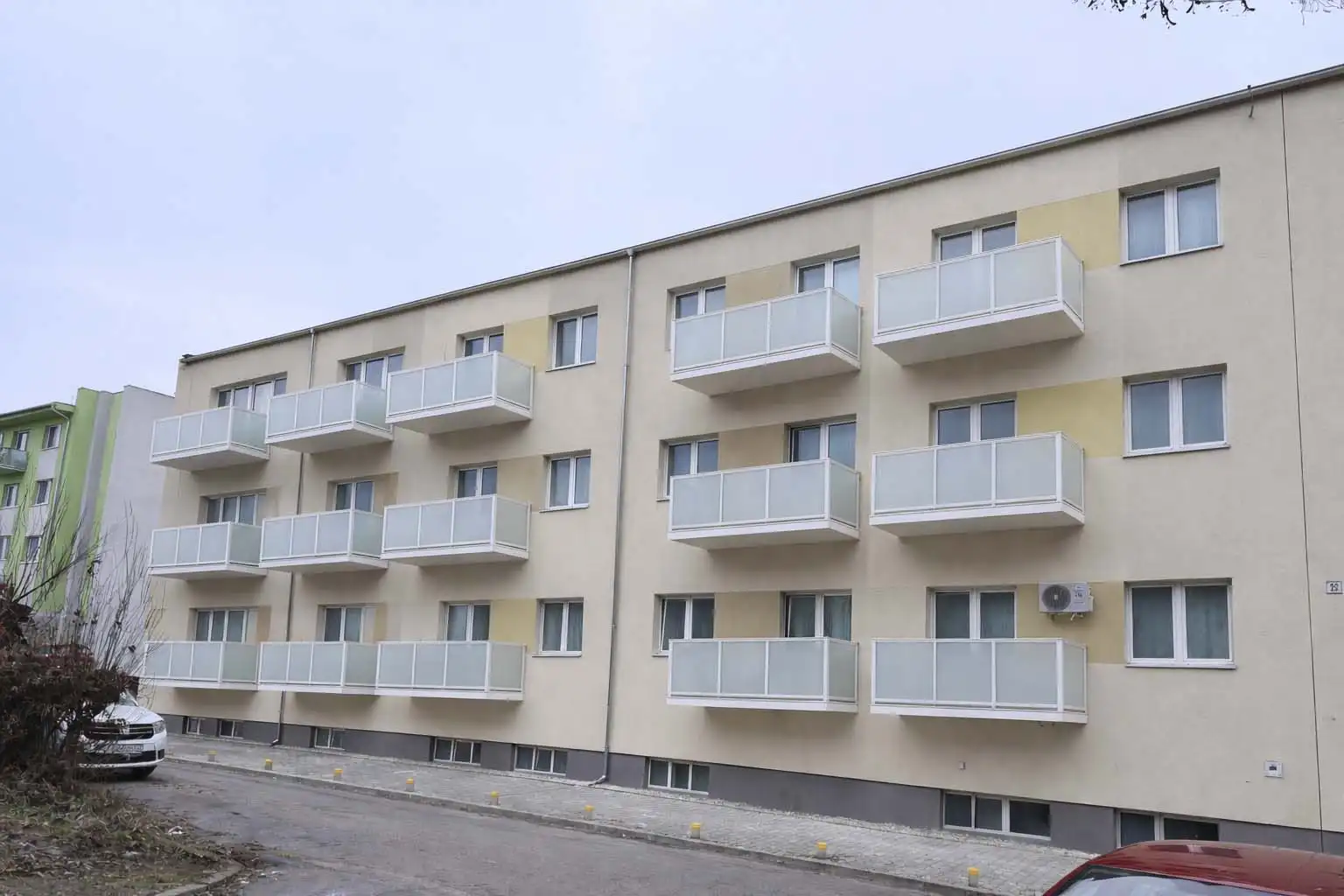
The photograph from the HS ALUSYSTEM website shows completed balconies. It is neither an accessory installation guide nor confirmation that concealed connections are suitable.
1. Distinguish a freestanding item from an alteration to the assembly
An item placed on the floor
A chair or portable drying rack needs a different arrangement from a bracket fixed to the railing. Even freestanding items must comply with the balcony's instructions for use and allow clear access, stability and drainage. For a large planter, its filled condition and position also matter. The dimensions of an item alone do not establish its suitability.
An item connected to the balcony
When attaching something to a handrail, post, infill panel or structural profile, identify which component is intended to carry the load. These components are not interchangeable. Even a clamp that needs no drilling is not automatically suitable: it may create local pressure, slip or damage the finish. Identify the supporting component before choosing a connection method.
2. Gather product information before placing an order
The product and its intended use
Save the technical data sheet, instructions, model reference, dimensions, weight and a description of the intended use. Show both extended and folded positions for a retractable drying rack or shade. For a container, describe its expected contents, including water. If the manufacturer does not provide information, mark it as missing; an estimate based on a photograph is not technical evidence.
The position on the particular balcony
Include an overall photograph taken from inside, a detail of the proposed location and a simple sketch. Give the storey, position on the façade, balcony reference and nearby doors or windows. Take photographs from a safe position without leaning over the edge. Our separate guide to structural design for aluminium balconies explains the structural system and its design assumptions.
3. Assess drying racks in their extended position too
Space and reach
Mark the space occupied by the extended rack and check that convenient access to the door, drainage outlet and railing remains. Residents should be able to hang and retrieve laundry without reaching dangerously over the edge. Consider the neighbouring balcony and dripping water as well. A rack being no wider than the railing does not make it suitable.
Loading and connection
Assessment requires the specific rack and its expected load in use, including wet laundry. HS ALUSYSTEM lists drying racks among its accessories for apartment buildings, but the appropriate version and connection must be confirmed for the project. This does not mean that any shop-bought product can be fitted to every profile.
4. Assess planters in their filled condition
An empty container and one holding growing medium, a plant and water impose different loads. Describe the complete intended condition, number of containers and their arrangement. Do not convert a general floor load capacity into an allowable weight for a bracket on the handrail. These are different positions with different ways of transferring forces.
Also check restraint against movement or falling, the direction of water discharge and access for cleaning. A hook alone does not resolve the issues of placing a container outside the railing. A heavy planter or improvised ballast is not a universal way to stabilise a shade. The arrangement should follow confirmed conditions of use, rather than an experiment on a completed assembly.
5. Shades and screens alter the area exposed to wind
A reed mat, fabric screen, awning or additional side panel behaves differently from the original open railing. Its area, position, tensioning, fixing and operating conditions all matter. Low self-weight does not mean a small wind effect. A wind-resistance rating for the accessory itself also does not establish that the existing balcony is a suitable supporting structure.
The official JRC overview of Eurocode 1 includes wind among the actions considered in structural design. For an owner, the practical implication is to have the accessory assessed together with its connection and the balcony. The overview does not provide a universally permitted screen size. If limiting views is the main aim, start with the brief for balcony privacy.
6. Protect finishes, connections and drainage
For a fixing, check its materials, contact area and protection of the finish. Unsuitable contact or friction can damage the coating; the solution provider must specify suitable fasteners and separating components. An improvised soft pad does not replace confirmation of the fixing's load capacity or stability.
An accessory must not conceal required inspection points, obstruct drainage or create a trap for debris. Do not drill profiles or infill panels, or loosen existing connections, without an agreed detail. If professional aluminium balcony installation work or alterations to components are needed, agree the scope as part of the installation solution.
7. Maintain safe use and access
After accessories are added, the entrance and the space needed for normal movement must remain usable. Consider door opening, moving furniture and access to inspection points. Items beside the railing must not create an easy step for climbing over it, especially where children are present. Assess the arrangement as a whole rather than choosing a convenient empty corner.
Identify who will operate the accessory and how it can be safely folded or put away in accordance with its instructions. If use requires leaning over the edge, regularly standing on a chair or handling parts from outside, change the brief. Operation must not depend on a resident performing a hazardous action more carefully.
8. Agree a shared brief and clarify the price scope
A building manager can collect residents' requests in one list and group them by balcony position. A consistent façade appearance does not imply an identical technical detail on every storey. Address technical confirmation and the building's decision process separately; agreement on colour is not an assessment of the fixing.
In a quotation, distinguish the product, connection design, any examination of the supporting component, installation and user documentation. The general guide to balcony cost factors helps explain delivery scope, but is not an accessory price list. Do not order a building-wide batch based on one unconfirmed example. Ask how warranty conditions apply to the proposed alteration, without assuming that every change automatically voids the entire warranty.
9. Ask for a clear assessment outcome
A useful response identifies the accessory model, balcony, fixing location, applicable limitations and installation method. If the conclusion depends on further information or a site visit, it is not yet an instruction to proceed. If a proposal is unsuitable, ask which parameter needs to change; a replacement product must be checked against the confirmed brief again.
As a hypothetical example, imagine an owner wanting to add a drying rack and a screen after balcony handover. They first submit two data sheets, photographs and a combined sketch. Assessment may show that each request needs different supporting information, or that the two interfere with one another. This illustrates a process, not a documented installation. Actual completed projects are available in the HS ALUSYSTEM references.
10. Record the confirmed arrangement in the building archive
After installation, retain the product reference, instructions, confirmed detail, conditions of use and photographs of the completed arrangement. Record any limitations and any checks required by the supplied instructions. Assign the documents to the particular apartment and balcony so they remain understandable when ownership or management changes.
This record builds on the handover documentation for aluminium balconies. When replacing an accessory later, do not assume equivalence from its colour and dimensions alone. Changes in area, weight or connection may need reassessment. If loosening, damage or unusual movement appears, stop using the accessory and consult a professional; do not carry out a load test yourself.
Discuss accessories with HS ALUSYSTEM
Send the balcony reference, photographs, accessory data sheet and a location sketch through the HS ALUSYSTEM contact page. State whether you are planning new balconies, balcony replacement or an alteration to a completed installation. The first contact should establish the information needed and the next steps towards a confirmed solution. Product availability, price and timing will depend on the scope of the enquiry.
Frequently asked questions
Is a fixing that requires no drilling automatically suitable?
No. A clamp still transfers load and may apply pressure to a profile or damage its finish. The particular fixing, supporting component and conditions of use need to be checked.
Is the balcony load capacity enough to choose a handrail planter?
No. Floor loading and the load on a handrail bracket follow different force paths. The filled container, its position and the complete connection must be assessed.
Can I add a screen to an existing railing?
Suitability must be checked before installation. A screen may alter wind effects and the demands on its fixing and other parts of the assembly. Low weight or air permeability alone is not confirmation.
Is it worth planning accessories when ordering new balconies?
Yes. An early brief allows space, use and connection requirements to be assessed together with the balcony. It does not guarantee that every accessory is available; the specific scope must be confirmed in the quotation.
What should I send for an initial assessment?
The balcony identification, photographs from inside, a location sketch and the specific product's data sheet, including its use and loading. Identify missing information and agree how it will be obtained.