How to compare balcony quotations for an apartment building
When an apartment building receives two or three quotations for new balconies, the lowest total is not necessarily the least expensive outcome. One bidder may include surveying, design inputs, transport, installation, railings and handover, while another prices only the fabricated structure. The difference appears later as variations, delays or work that the owners’ association must procure separately.
This guide helps owners’ associations, property managers and decision-making committees compare quotations for a balcony, a group of balconies or complete balcony structures on a like-for-like basis. It is not a universal price list. Its purpose is to establish whether every bidder has priced the same brief and whether the proposed scope can realistically proceed to manufacture and installation.
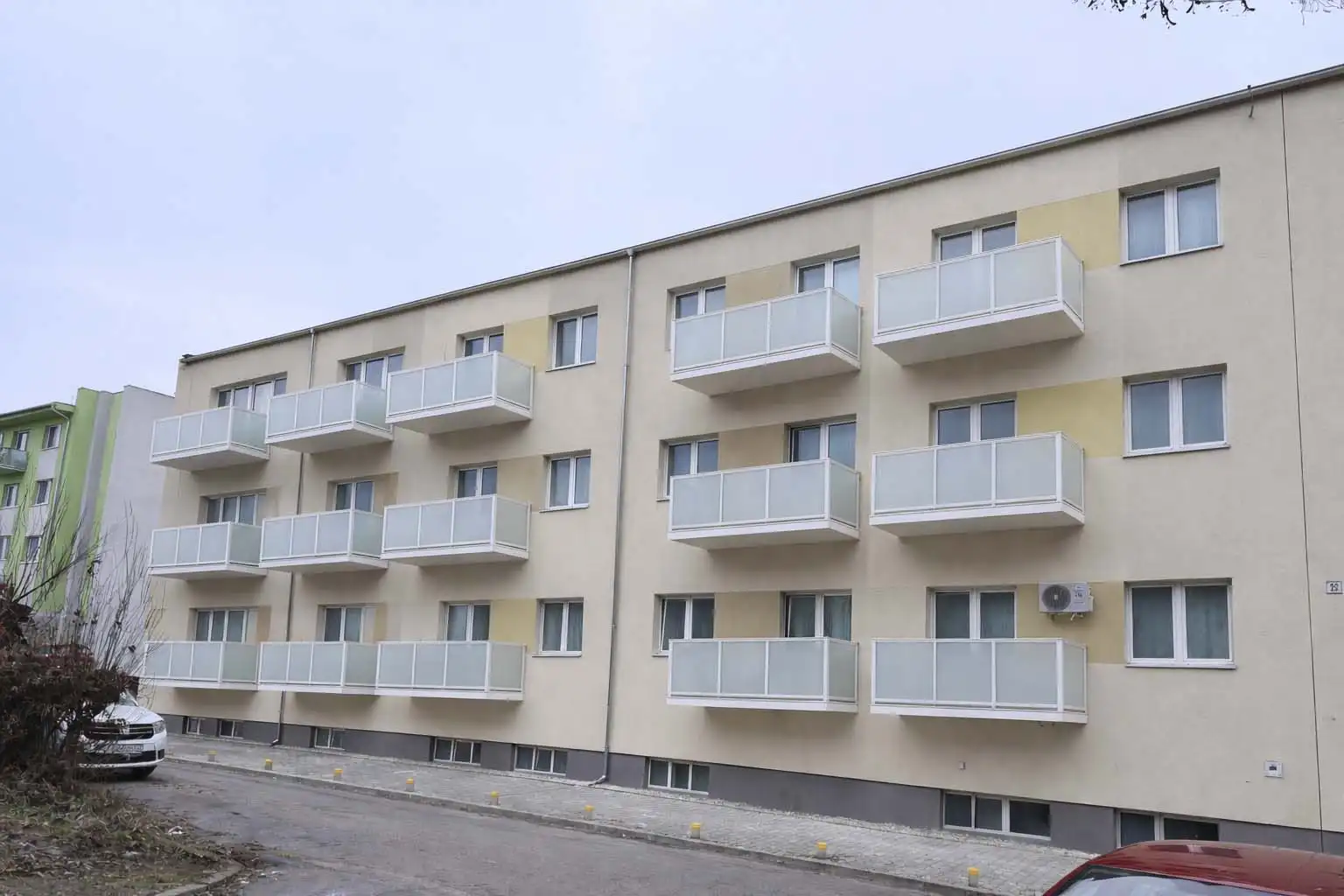
The best quotation is not automatically the lowest
A price becomes meaningful only when read together with scope, quality, risk and responsibility. A quotation that is several per cent lower may be good value if the solution is genuinely equivalent. If it excludes structural inputs, removal, lifting equipment, substrate repairs or façade interfaces, however, the two offers describe different projects.
Compare completeness before comparing totals
Create three columns for each bidder: “included”, “excluded” and “clarification required”. Only after the uncertain items have been resolved should you compare net price, VAT and the final gross price. For useful background, see what determines the price of suspended balconies.
Give every bidder the same project information
A comparison is fair only when bidders use the same number of balconies, indicative dimensions, required appearance, building condition and delivery boundary. If one company proposes larger balconies and another smaller ones, neither the unit price nor the project total is directly comparable.
Standardise quantity, dimensions and solution type
State the number of units, their façade positions, preliminary dimensions, preferred railing infill, deck expectations and colour. Make clear whether the project concerns new suspended balconies, replacement of existing balconies or railing-only refurbishment. The pre-enquiry balcony checklist helps assemble a consistent brief.
Describe the building, façade and site access
The bidder needs to know whether the building has external insulation, what the approximate façade build-up is, where lifting equipment can stand and how large components can reach the elevation. Photographs and original drawings help with an initial estimate but do not replace a site visit. Our guide to surveying balconies on an apartment building explains which inputs are verified on site.
Compare design, structural engineering and preparation
For apartment building balconies, the product price cannot be separated from the method used to demonstrate that the solution is suitable for the particular building. The quotation should say who supplies the information, who coordinates the designer and structural engineer, and which deliverables are included.
Surveying and design information
Check whether the quotation covers an initial survey, production measurements, drawings, required anchoring details and information for approving the appearance. Distinguish a concept used for budgeting from documentation that is sufficiently developed for safe manufacture and installation.
Structural assessment and anchoring
“Anchoring included” is too vague. Ask which information supports the solution, who identifies load-bearing locations, whether opening-up surveys are needed and how discrepancies in the existing construction will be managed. The detail must be designed for the specific building; a generic catalogue drawing cannot replace it.
Break down manufacture, fittings and finishes
For aluminium balconies, you need to know what the supplied assembly actually contains. Two visually similar offers may differ in the structural system, deck, drainage, railing or extent of the finish.
Load-bearing structure and manufacture
The quotation should identify the quantity and dimensions of the structures, the basic material system and the manufacturing boundary. Check whether workshop information, connection preparation, dimensional control and all components required for assembly are included. The balcony manufacturing process provides context for these linked stages.
Railings, infill, deck and drainage
Require a separate description of the balcony railing, infill, handrail, deck and water-management solution. Glazed railing infill is not the same as fully glazing or enclosing a balcony. If quotations use different materials, request comparable technical specifications rather than relying on product names.
Surface finish and colour
Confirm which elements receive a finish, the colour included in the price, and whether surface preparation and application are both covered. On an apartment building, consistent appearance across all balconies and coordination with the façade, windows and other metalwork are important.
Transport, lifting and installation can change the result
Large balcony structures must be transported, unloaded safely, moved to the façade and installed in a planned sequence. If these costs are not explicit, an attractive manufacturing price can be misleading.
Logistics and lifting equipment
Ask whether transport, protective packing, unloading, crane or other lifting equipment, operators and repeat visits are included. The quotation should also list assumptions such as the access route, standing area, permits for occupying shared space and removal of obstacles.
Installation, exclusion zones and delays
Compare the number of installation stages, site security, resident protection and the arrangements for unsuitable weather or an unprepared substrate. The suspended balcony installation overview shows why installation is more than fastening a completed product to the building.
Removal and building work must not remain implicit
Balcony replacement creates costs that may not arise on a new building or newly prepared façade. Existing structures must be removed safely, waste taken away and the substrate prepared for the new solution.
Existing balconies, waste and substrate preparation
Check the removal scope, waste separation and disposal, temporary security of openings and treatment of unforeseen damage. The quotation should say whether masonry, concrete or façade repairs are lump-sum items, measured work or exclusions. The guide to balcony replacement from removal to installation provides a useful process reference.
Façade interfaces and finishing work
Establish who is responsible for local insulation repairs, sealing, flashings, painting and final making good. The critical interface between balcony and façade must have a named owner. Where another contractor completes it, the programme must define dates and conditions for handing over the work area.
Review exclusions, contingencies and price changes
Every professional quotation should state what it does not contain. An exclusion is not inherently a problem; a hidden exclusion discovered after contract award or during installation is.
Net price, VAT and validity
Compare the same tax basis and currency, quotation validity, payment schedule and deposit conditions. Confirm whether the price is fixed for the defined scope or adjusted after the detailed survey. For measured items, ask for unit rates or at least a transparent calculation method.
Unforeseen conditions and change control
Opening up an older apartment building may reveal discrepancies. A sound change process defines who records the condition, who proposes the solution, who approves it and how the cost is agreed before work proceeds. A sensible client contingency is separate from items that the bidder should have included from the outset.
Assess quality, warranty and evidence of delivery capability
Price is only one part of the decision. Verifiable technical explanations, relevant completed projects, a responsible contact and a clear aftercare route reduce risk for the entire building.
References from comparable apartment buildings
Ask for projects of similar size and construction. A photograph alone is not enough: establish what the company delivered, how it managed logistics and whether the agreed scope was achieved. You can also review HS ALUSYSTEM references.
Warranty, maintenance and handover
Compare the warranty period and coverage, exclusions, defect response and maintenance requirements. The quotation should explain which records and user instructions will be supplied at handover. A long promise with unclear conditions is less valuable than precisely defined responsibility.
Build one comparison sheet for the owners’ association
Use rows for survey, design, structural work, manufacture, finish, railing, deck, drainage, transport, lifting, installation, removal, waste, façade work, handover, warranty and exclusions. For each bidder record the price, “included/excluded/unclear” status, the supporting quotation reference and a risk note.
Score only after clarifications are complete
Owners may weight scope completeness, technical solution, comparable total price, programme, references and warranty. Scoring must not conceal a critical gap. A bid without a demonstrable anchoring approach or clear installation responsibility does not become safe merely because it earns points for a low price.
Warning signs in a balcony quotation
- one large lump sum with no scope breakdown,
- words such as “complete” or “turnkey” without a defined list,
- missing quantities, dimensions or design revision,
- transport, crane, installation or removal left as an open future cost,
- railing and deck without a material specification,
- a completion date with no readiness assumptions,
- a fixed price based only on photographs for an obviously complex building,
- pressure to sign before exclusions can be clarified.
Send the same questions to every bidder
Request written clarifications and share the same revised brief with all participants. This keeps the competition fair and the decision auditable for owners. If a bidder proposes a useful improvement, decide whether to incorporate it into the common brief and invite the others to reprice it.
Make the final decision on a comparable basis
First remove offers that fail mandatory technical or contractual requirements. Then calculate a comparable total: tendered price plus a realistic allowance for omitted mandatory work and identified risks. The decision record should explain why the selected solution best meets the building’s needs, not merely state its price.
Request a quotation with a clear scope
If your building is considering new or suspended balconies, send HS ALUSYSTEM the available drawings, photographs, balcony count and basic requirements. Use the HS ALUSYSTEM contact page to arrange a site visit and define the inputs needed for a meaningful quotation. An accurate offer begins with a shared understanding of the deliverable, not with a number.
Frequently asked questions
Is it enough to compare the price per balcony?
Not always. A unit price may be based on different dimensions, equipment or allocation of shared design, transport and lifting costs. Compare unit rates only after normalising the scope, and always review the total project cost as well.
What should a comparable suspended-balcony quotation contain?
It should define quantities and dimensions, technical preparation, structure, railing, deck, finish, transport, lifting, installation, construction interfaces, handover, warranty and exclusions. The exact scope must be tailored to the building.
Is a turnkey balcony offer always complete?
No. “Turnkey” has no reliable scope unless the work list is stated. The client must check whether design inputs, removal, façade work, equipment, installation, waste and documentation are included or whether only some of them are covered.
How can we compare offers when every bidder proposes a different solution?
Separate mandatory requirements from optional alternatives. Request a base price against the common brief and price options separately. If the solutions remain technically different, compare benefits, limitations and risks in addition to cost.
Should the project include a contingency?
A contingency may be sensible when refurbishing an existing building, but owners should set it according to the quality of available information and identified risks. It must not conceal work that a bidder should have priced clearly in advance.