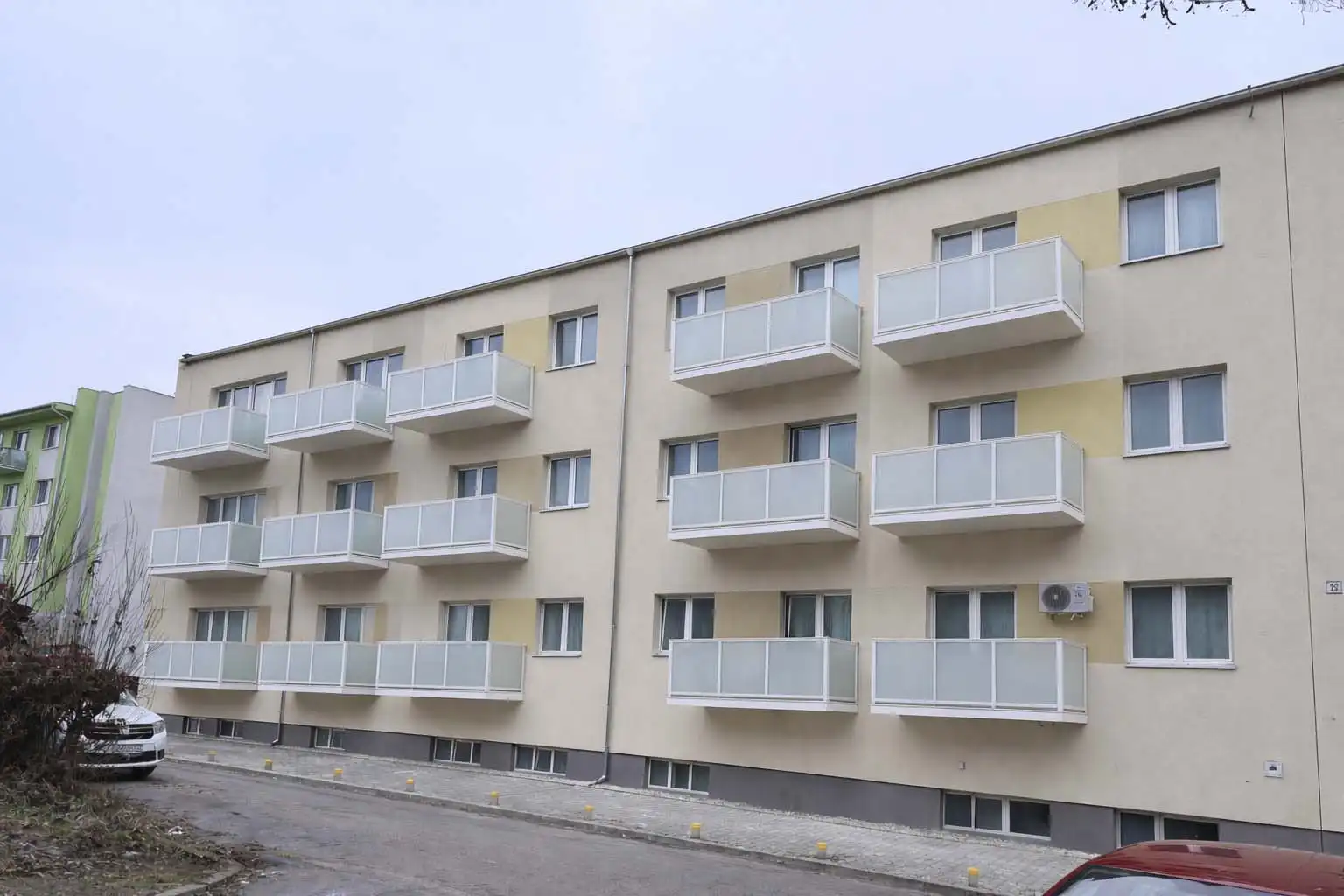
Apartment-building balcony renovation: repair old balconies or choose new suspended balconies?
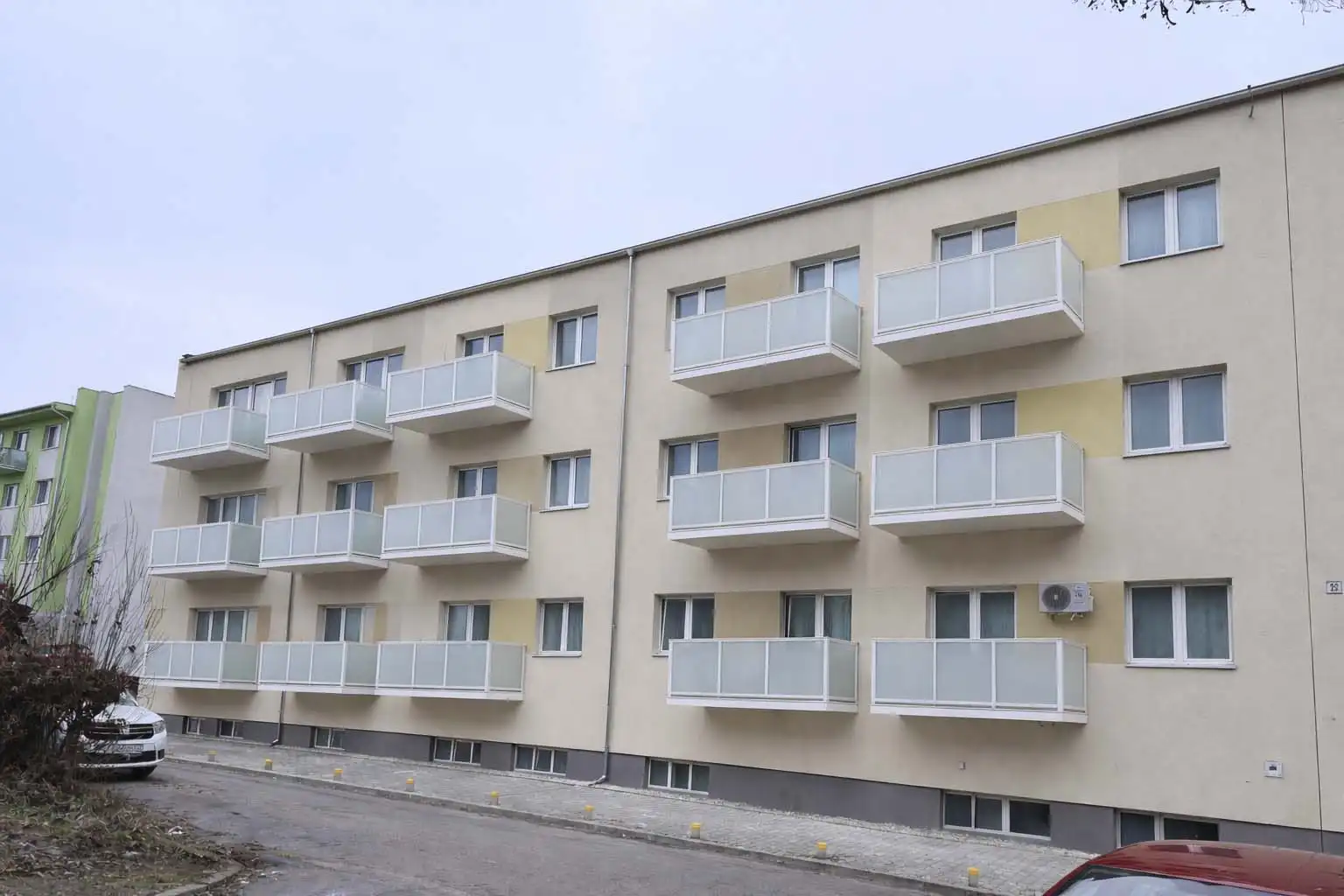
Old balconies are among the most common weak points of apartment buildings. Years of exposure to rain, frost, sunlight and de-icing salts gradually affect the concrete, reinforcement, railings and surface layers. The property manager or owners' association then faces an important question: is repairing the balconies sufficient, or would it be more sensible to choose new suspended balconies?
There is no universal answer. The right solution depends on the building's technical condition, structural assessment, extent of damage, expected service life, budget and the owners' objectives. A building that needs a quick surface repair will make a different decision from one that wants to enlarge and modernise its balconies and increase the value of the apartments.
When can repairing the existing balconies be sufficient?
Repair may make sense if the original balconies are structurally sound and the damage is mainly superficial. Typical examples are when:
- the load-bearing part of the balcony is not seriously damaged,
- the concrete is not crumbling extensively,
- the reinforcement is not significantly corroded,
- the railing can be refurbished or replaced safely,
- the owners do not want to change the balcony dimensions,
- the main objective is to extend the service life of the existing structure.
Even in such cases, the condition should be assessed by a specialist. A balcony is not only a matter of appearance. If the load-bearing structure or anchoring is damaged, a cosmetic repair may simply postpone the problem.
When is it worth considering new suspended balconies?
New suspended balconies are particularly suitable when the old solution is no longer technically, functionally or spatially adequate. This is often the case on apartment buildings whose original balconies are small, damaged or structurally unsuitable.
A suspended solution is worth considering if:
- the original balconies suffer from recurring defects,
- the concrete slab is in very poor condition,
- the owners want more usable floor area,
- the building needs a more modern appearance,
- the existing balconies require extensive maintenance,
- a comprehensive façade renovation is planned,
- the objective is a long-term solution, not merely a short-term repair.
When balconies are enlarged, the old concrete slab is often removed and replaced with a modern suspended structure. More information about the procedure is available on the page Suspended balcony installation.
The key difference: short-term repair versus long-term solution
When making a decision, it is important not to consider only the initial price. Repairing an old balcony may cost less at first, but it may not address the cause of the problem. If the defects return after a few years, the apartment building pays again for scaffolding, materials, labour and disruption to residents.
New suspended balconies involve a larger project scope, but they also provide a different level of value:
- new outdoor space,
- greater living comfort,
- a more modern appearance for the building,
- the option of larger dimensions,
- new railings and infills,
- a longer service life,
- less need for repeated repairs.
Owners should therefore compare not only the cost of repair with the cost of new balconies, but also the expected service life and practical value.
Why is aluminium often used for modern balconies?
Aluminium is particularly attractive for balcony structures because it is lightweight, durable and well suited to precision manufacturing. Low weight is a major advantage on apartment buildings because every technical solution must respect the building's capabilities and the chosen anchoring method.
From a long-term sustainability perspective, aluminium also has the advantage of being repeatedly recyclable. The International Aluminium Institute states that aluminium can be recycled repeatedly without losing quality and that a large proportion of all aluminium produced historically is still in use. European Aluminium also reports that recycling aluminium requires substantially less energy than primary production.
For balconies, this does not mean that aluminium is automatically the right choice for every building. It does mean that, as part of a well-designed solution, it can be an appropriate material for a long service life, lower maintenance and a modern appearance.
The surface finish determines both service life and appearance
With balconies, not only the material but also its treatment is important. The surface finish protects the structure from weather, UV radiation and normal wear. HS ALUSYSTEM uses KOMAXIT powder coating to achieve a durable surface that retains its appearance over time.
More information is available on the page KOMAXIT powder coating.
How to compare repair with new suspended balconies
We recommend preparing a simple comparison table before making the decision. It does not need to be complicated, but it should include more than just price.
Compare:
- the technical condition of the existing balconies,
- the expected service life of the repair,
- the expected service life of the new solution,
- options for enlarging the balconies,
- maintenance costs,
- the effect on the appearance of the building,
- residents' comfort,
- the risk of repeated repairs,
- the required approval and design steps.
If only the lowest figure is compared, owners may choose a solution that proves more expensive over time.
When should a visualisation be prepared?
A visualisation is particularly useful when the appearance of the façade is to change or balconies are to be added where none existed before. It helps owners picture the result and discuss colour, infill and the overall appearance more easily.
This is important on apartment buildings because the decision does not concern only one apartment. New balconies change the appearance of the entire property.
What to do if you are unsure which solution is suitable
The best starting point is a technical assessment. For the initial contact photographs, the address or town, the number of balconies and a brief description of the problem are sufficient. It can then be determined whether repair, enlargement or new suspended balconies should be considered.
HS ALUSYSTEM provides design, manufacture and installation. Details of our manufacturing process and technical facilities are available on the page Manufacturing process. Examples of completed solutions are available in the References.

Frequently asked questions
Is repairing old balconies always cheaper?
Not always. A repair may cost less initially, but if it does not address the cause of the damage or has a short service life, the building may have to pay for further repairs in the future. Long-term costs must therefore also be compared.
Can existing balconies be enlarged?
In many cases, yes, but this depends on the technical condition of the building, the structural assessment and the anchoring options. Enlargement often involves removing the old slab and installing a new suspended structure.
Are aluminium balconies suitable for older apartment buildings?
Often yes, particularly because of their lower weight and good durability. The deciding factor is always a technical assessment of the specific building.
How can I obtain an indicative price?
The best approach is to send photographs of the building, the number of balconies, the town or city and a brief description of the proposal. More information is available on the page Suspended balcony prices.
Conclusion
A decision about balcony renovation on an apartment building should not be based solely on the lowest price. If the original balconies are in good technical condition, repair may make sense. If they are damaged, small, maintenance-intensive or no longer meet residents' needs, new suspended balconies may be the more cost-effective long-term solution.
If you are dealing with old balconies on an apartment building, send us photographs of the property and a brief description of the problem. We will help you assess whether repair, enlargement or a new suspended solution is appropriate.